
Shopping Cart


Kart Tire Pressure: Complete Guide for Every Condition
Tire pressure is one of the most important and often underestimated factors in kart performance. Incorrect pressure can ruin grip, stability, and speed on track.
Why Is It So Important?
Tires are the only contact point between the kart and the asphalt. Proper pressure adjustment allows you to:
- Optimize contact surface with the ground
- Control operating temperature
- Influence overall chassis balance
Cold vs Hot Pressure
Inflation pressure is measured when cold, before going out on track. But what really matters is the pressure the tire reaches once hot (after a few laps).
Example: if you inflate to 0.60 bar cold, on track it may rise to 0.85–0.90 bar depending on conditions.
Tip: Always measure hot pressure after a session to understand how much it increased, and adjust cold pressure accordingly.
How Pressure Changes with Track Conditions
- Low grip / cold track: Use higher pressure (e.g., 0.65–0.70 bar) so the tire heats up faster.
- High grip / hot track: Use lower pressure (e.g., 0.45–0.50 bar) to avoid overheating and overpressure.
- Wet conditions: Use higher pressure (e.g., 0.75–0.90 bar) to deform the tire more and heat it up quicker, also helps displace water.
Practical Tips for Adjusting Pressure
- Always measure pressure before and after each session.
- Note ambient and asphalt temperatures, and cold/hot pressures.
- Each tire reacts differently: check manufacturer guidelines.
- Warning: Too low pressure can damage the rim or cause the tire to move on it.
Ideal Pressure by Category
- Mini / Mini Max: 0.60–0.70 bar cold (depends on tire type)
- Junior / Senior: 0.45–0.55 bar cold
- KZ / DD2: 0.45–0.52 bar cold
- Wet: +0.15 to +0.30 bar compared to dry
Common Mistakes
- Overinflating: The kart loses grip, especially in corners.
- Underinflating: The tire won’t reach optimal temperature, resulting in low traction.
- Not checking hot pressure: You won’t know how the tire really behaved.
Recommended Tools
To accurately monitor pressure, you’ll need:
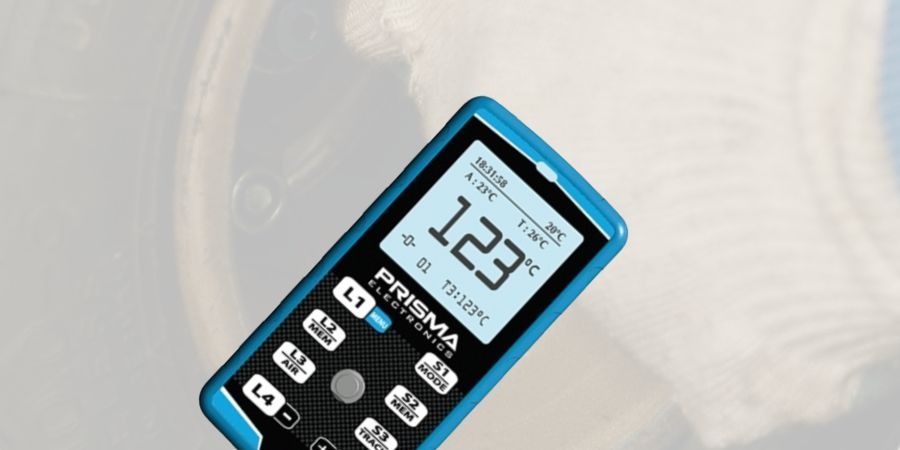
- High-precision digital or analog gauge
- Laser thermometer to measure tire temperature
- Notebook or chart to record your setups
Conclusion
Mastering tire pressure is one of the keys to improving lap times and understanding how your chassis evolves on track. Even a 0.05 bar adjustment can make a big difference.
Not sure what pressure to use for your tires or class? Contact us or visit our store!
👉 Discover gauges, tires, and more at www.drakekart.com